Future-Proof Your IT Infrastructure with Monitoring and Reporting
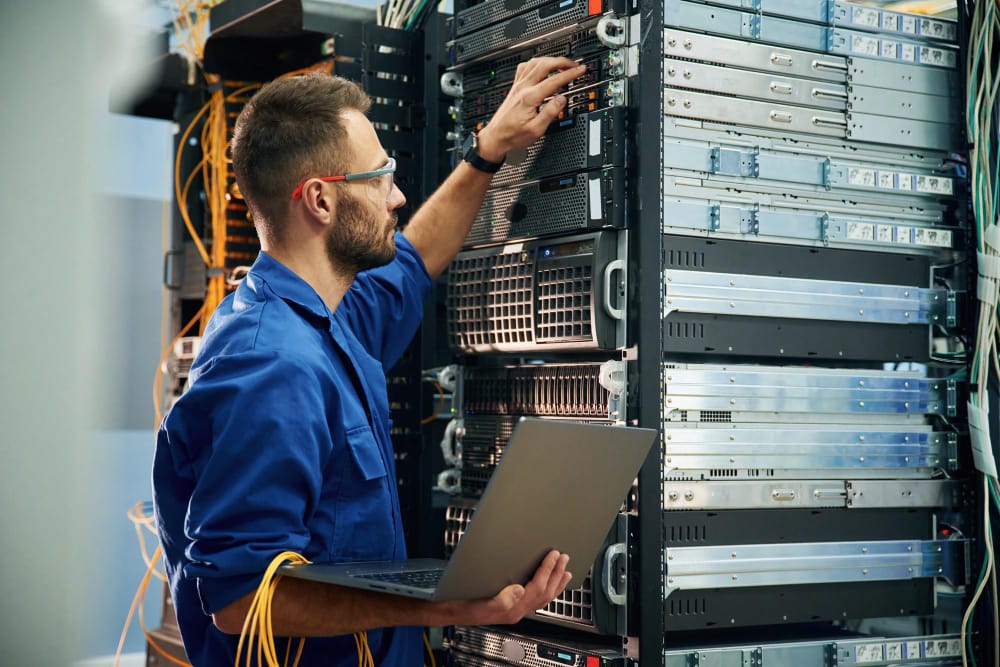
IT infrastructure is becoming more complex every day. With hybrid clouds, multi-cloud architectures, edge computing and software-defined networks, tracking system health manually is nearly impossible. This is where monitoring and reporting become a critical capability that keeps organizations’ digital operations up and running. So what exactly is IT infrastructure monitoring, and why does it matter more than ever in 2026?
What Are Monitoring and Reporting?
IT infrastructure monitoring is the process of continuously tracking the performance, availability and security of the entire technology stack, including servers, virtual machines, network devices, databases and applications. Key metrics such as CPU usage, memory consumption, disk I/O, network traffic and response times are regularly collected, analyzed and reported.
Key Benefits of Monitoring
- Proactive issue detection: The chance to step in before failures affect users.
- Performance optimization: Improving resource utilization by identifying bottlenecks.
- Capacity planning: Anticipating future needs using historical data.
- SLA compliance: Demonstrating that service level commitments are met.
- Security: Catching suspicious activity at an early stage.
IT Monitoring Trends in 2026
Unified Visibility and Observability
Organizations now want to manage their on-premises, cloud and edge environments from a single pane of glass. Vendor-agnostic monitoring solutions eliminate the blind spots between different platforms, securing operational continuity.
AI-Powered Insights
In 2026, monitoring systems have moved far beyond simple threshold-based alerts. Artificial intelligence plays a critical role in anomaly detection, root cause analysis and capacity forecasting. Systems can now raise an alert before a problem occurs.
Compliance-Driven Monitoring
Regulations such as NIS2 and the EU AI Act make auditable IT operations mandatory. Monitoring systems are now positioned not only as an operational tool but also as a compliance tool.
Cloud Cost Control with FinOps
A significant share of cloud spending is waiting to be optimized. By showing which resources are being wasted, monitoring and reporting contribute directly to cost optimization.
What Should the Right Monitoring Strategy Look Like?
An effective monitoring strategy starts with determining which metrics are critical. Every organization’s needs are different: for an e-commerce site, response times take priority, while for a financial institution, data integrity and compliance reporting come to the fore.
Customizable dashboards let each team see the data that is most meaningful to it: operations teams track real-time alerts, while managers follow trend and risk indicators.
Conclusion
IT infrastructure monitoring and reporting are no longer a luxury but a cornerstone of business continuity. With the right tools and strategy, organizations minimize downtime, optimize costs and move forward with confidence on their digital transformation journey.
At ERY System, we keep your IT infrastructure protected 24/7 with monitoring and reporting solutions tailored to your needs. Contact us to learn more about our IT services.