Data Center Thermal Management: Liquid Cooling and the Sustainability Transformation
Introduction: Servers Heating Up in the Age of AI
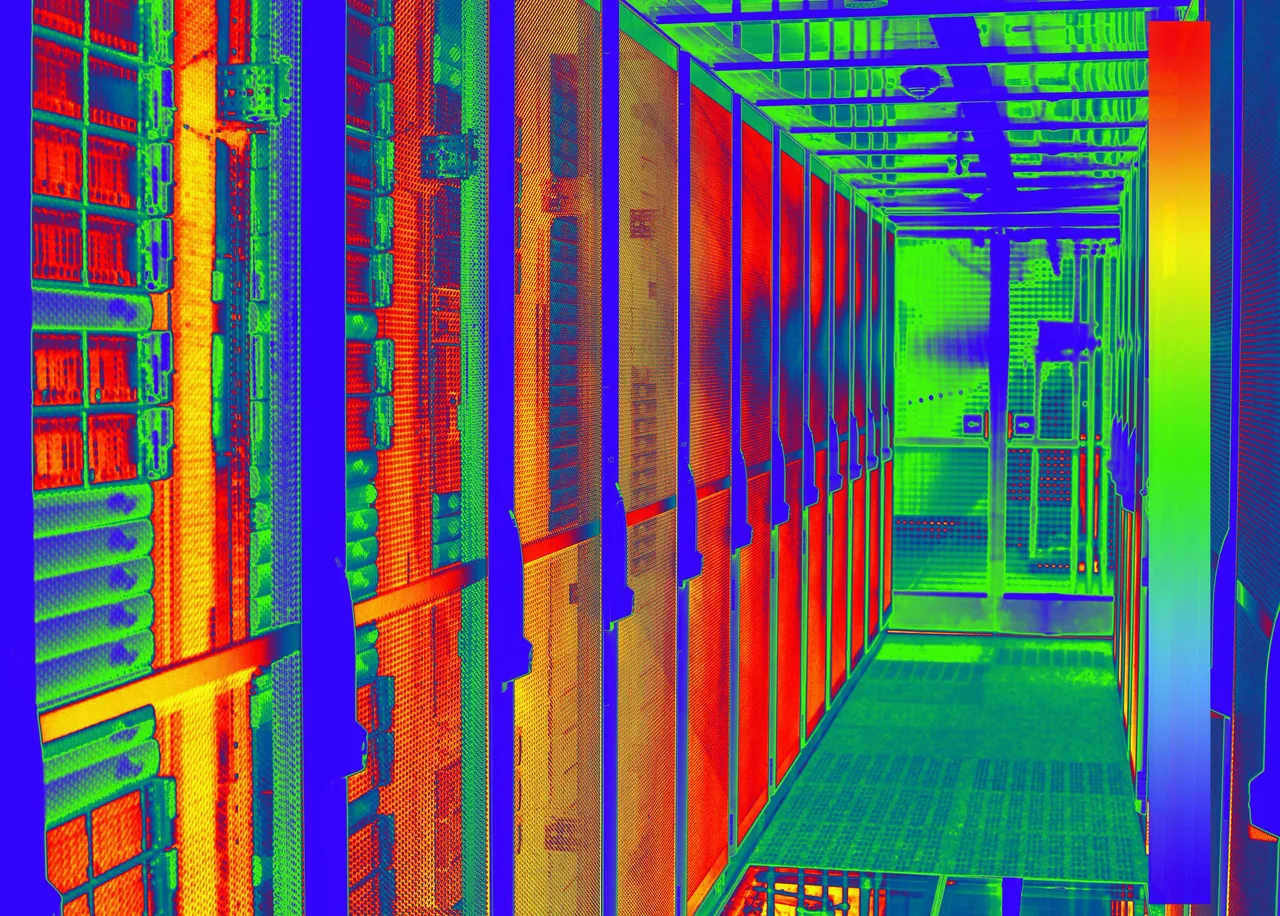
2026 is a turning point for data centers. The explosion of artificial intelligence (AI) and high-performance computing (HPC) workloads has pushed server rack power densities to levels that were previously unimaginable. Traditional air-based cooling systems can no longer cope with rack densities of 100 kW and above. This physical limit is steering data center operators toward a single solution: Liquid Cooling.
In this article, we examine the rise of liquid cooling technologies in data centers, the different ways they are implemented and the critical impact of this transformation on sustainability goals.
Why Liquid Instead of Air?
Air has a much lower capacity to carry heat than liquids do. Water's thermal conductivity is 25 times higher than that of air, and its heat capacity is roughly 4 times higher. This physical reality makes liquid cooling far more efficient. The main reasons for the shift to liquid cooling in 2026 are:
-
High-Density Chips: Next-generation GPUs and CPUs generate so much heat that it is no longer possible to move air across these components fast enough.
-
Energy Efficiency (PUE): In air-cooled systems, 40% of the energy is spent just on running fans and air conditioners, whereas with liquid cooling this share can drop below 5%.
-
Space Savings: Liquid cooling allows servers to be packed more tightly, shrinking the data center's physical footprint.
Modern Liquid Cooling Technologies
There are three main liquid cooling methods widely used in data centers in 2026:
1. Direct-to-Chip Cooling (Cold Plate)
In this method, a metal cold plate is placed on top of the processor. The liquid flowing through the plate draws heat directly from the source. It is the easiest method to integrate into existing air-cooled data centers.
2. Immersion Cooling
Entire servers are submerged in a non-conductive (dielectric) liquid.
-
Single-Phase Immersion: The liquid stays in its liquid state and is circulated by a pump to carry the heat away.
-
Two-Phase Immersion: The liquid boils and vaporizes from the heat of the components. The vaporization process transfers an enormous amount of heat. It is regarded as the most advanced technology of 2026.
3. Rear Door Heat Exchangers (RDHx)
A radiator system mounted on the back of the rack cools the hot air before it leaves the rack. It is used as a hybrid solution between air and liquid cooling.
Sustainability and Green Data Centers
Liquid cooling is not only a performance requirement but also an environmental necessity. By 2026 standards, liquid cooling plays a critical role in earning the “Green Data Center” designation.
From PUE to WUE
Data centers now have to optimize not only power usage effectiveness (PUE) but also water usage effectiveness (WUE). Closed-loop liquid cooling systems contribute to sustainability by minimizing water waste.
Reusing Waste Heat
One of the biggest advantages of liquid cooling is that the heat it rejects is at a high temperature and easy to transport. In 2026, many data centers earn additional revenue by selling the heat they capture to district heating systems, greenhouses or industrial facilities.
Challenges Facing the Transformation
The move to liquid cooling is not painless:
-
High Upfront Investment (CAPEX): Changing the infrastructure is costly.
-
Maintenance and Operations: There are leak risks and a need for specially trained personnel.
-
Standardization: Compatibility between different vendors' liquid cooling solutions is still a matter of debate.
Conclusion: The Future Is Fluid
In 2026 and beyond, liquid cooling is no longer a “niche” technology; it has gone mainstream. In an age when we are pushing the limits of artificial intelligence, a data center that cannot solve thermal management cannot survive. For businesses, investing in liquid cooling is not just a technical choice but a strategy for securing a place in the digital world of the future.
The liquid cooling revolution will continue to turn data centers into spaces that are quieter, more efficient and, most importantly, more respectful of our planet.